
Planning a funeral involves key decisions like burial or cremation, choosing a funeral home and service type, arranging logistics (transport, venue, flowers, music, readings), writing an obituary, and handling legal/financial aspects, often with the help of a funeral director, to honor the deceased and support the grieving family.
Pre-planning allows you to make these choices ahead of time, easing the burden on family later.
When death already occured or is near
When death has already occurred, the focus shifts to understanding the physical and legal finality of death and the practical and emotional steps that follow for the living.
Pre-planning ahead, in time
Pre-planning a funeral allows you to document your final wishes, lock in current prices to protect against inflation, and relieve your loved ones of difficult decision-making during a time of grief.
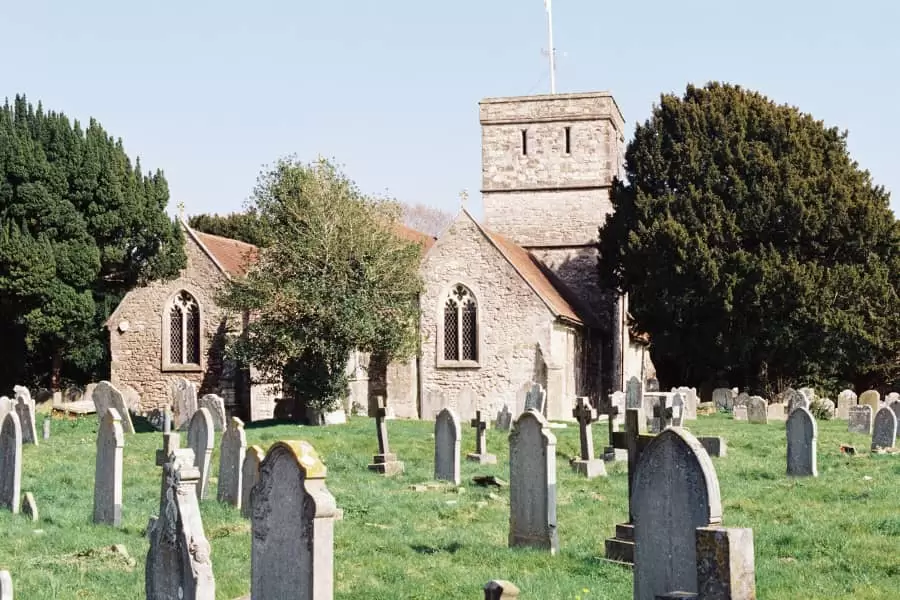
Ground Burial
A burial ground is a designated area of land for burying the dead, also known as a cemetery, graveyard, or necropolis, encompassing natural sites, churchyards, or modern memorial parks, and serves as a key part of death rituals across cultures.
Cremation
Cremation is the process of using intense heat to reduce a deceased body to bone fragments, which are then pulverized into fine, granular “ashes” or cremains, serving as an alternative to traditional burial.


-
Ways to help your family during hard times
Grief is very personal, and each of us walks our own road to get through it. For some, preparing for a funeral is a very painful affair; others may be more stoic and muddle through while preparing to grieve later when they are alone. So, how can we as friends and family members supports others…
-
A funeral is a community event
Not long ago I was directing a funeral, and the service was about to begin. The doors to the sanctuary opened to myself and the pastor, and, most importantly, the grieving widower and his family. Waiting for us were 400 guests in attendance. There was an audible gasp and fresh tears from the family, followed…